Houseblend Article
NetSuite Nordstrom Rack Integration: A DSCO & EDI Guide
Inside this article
Executive Summary
This report examines the integrated connection between NetSuite, a leading cloud-based ERP platform, and Nordstrom Rack (the off-price division of Nordstrom Inc.) within the context of modern marketplace and drop-ship channels. It traces the historical evolution of Nordstrom’s supplier ecosystem -- from traditional EDI-based ordering to today’s API-driven, multi-channel environment. Central to Nordstrom’s strategy is the DSCO (Dropship Commerce) platform, which Nordstrom and its Rack division leverage to manage distributed inventory, order fulfillment, and drop-ship logistics [1] [2].
The integration of NetSuite with Nordstrom Rack typically involves automated exchange of orders, shipment notices, and inventory data. NetSuite’s suite of APIs, combined with integration tools (e.g. Celigo, Boomi, Dscopify) or EDI services (SPS Commerce, TrueCommerce), enables suppliers to synchronize NetSuite’s order and inventory records with Nordstrom’s systems. This includes processing Nordstrom’s EDI documents (purchase orders, advanced shipment notices, invoices, etc.) and/or consuming Nordstrom’s DSCO API feeds. As of recent years, an expanding Nordstrom Digital Marketplace (Nordstrom.com) adds another layer: third-party sellers now interface via a Mirakl-powered marketplace layer, requiring new integration paths (table collaborations via Mirakl Connect, ChannelAdvisor, or custom APIs).
Key findings and themes include:
-
Market Growth & Omnichannel Pressure: Nordstrom’s off-price Rack segment continues robust growth (8.8% YOY in Q2 2024) [3], while digital channels now exceed one-third of sales [3] [4]. In the broader U.S. context, e-commerce is projected to exceed $1.3–$1.8 trillion (2025–2029) [4]. These trends drive the necessity for seamless, real-time data integrations to support omnichannel fulfillment.
-
Nordstrom Rack vs Nordstrom: Although Nordstrom Rack functions as an off-price chain, its supplier compliance and integration processes largely align with Nordstrom’s. A unified Full Line & Rack Supplier Guide prescribes standard EDI documents (see Table 1) for both channels [5]. The DSCO platform (via Rithum/CommerceHub) uniquely underpins Nordstrom’s drop-ship program, handling both Rack and full-line orders [1] [6].
-
Integration Methods: Traditional EDI (X12) has been supplanted by API-based exchange via DSCO. DSCO’s API allows richer data than legacy Nordstrom EDI (which was limited to UPC-only items) [2]. Integrations now commonly use NetSuite connector tools (Celigo, Boomi, custom SuiteScript) to automate data flows (orders, acknowledgements, ASNs, invoices, inventory) with DSCO and Nordstrom’s systems. Examples from industry highlight this shift: a vendor reported that Nordstrom DSCO integration was completed “in 10 hours” of development (code reuse) vs 60 hours for Neiman Marcus, a feat “not possible using just EDI” [2].
-
Data Requirements & Flows: Key EDI/documents include Purchase Orders (850), Invoices (810), Advance Ship Notices (856), Functional ACKs (997), and optionally Change Orders (860) and others [7] [5] (Table 1). NetSuite must map its internal item SKUs to Nordstrom’s identifiers and marshal data such as GS1-128 shipments labels. Integrations push purchase orders into NetSuite, generate inventory/stock responses, and propagate back order acknowledgements, shipping, tracking, and invoices. Some workflows demand real-time inventory status updates via DSCO to support in-stock claims.
-
Integration Tools & Case Studies: A variety of integration solutions exist. Celigo and Extensiv offer prebuilt DSCO–NetSuite connectors (supporting 850, 856, 810, etc.) [8] [7]. Dscopify provides plug-ins (especially for Shopify) that link to CommerceHub/DSCO for Nordstrom/Rack dropship (see Table 2). For instance, “Reason Clothing” automated its Nordstrom Rack fulfillment by integrating Shopify → DSCO (via CommerceHub), handling inventory sync, orders, shipments, and invoicing [9]. Similarly, “Suits America” connected Shopify to DSCO, enabling unified inventory, order processing, and shipping across Nordstrom Rack and other retailers [10]. Mirakl Connect serves sellers on Nordstrom’s new marketplace: one vendor (Rokka & Rolla) reports an 80% increase in GMV since joining Mirakl to sell on Nordstrom [11].
-
Recommendations & Future Outlook: Successful integration demands thorough planning: obtaining Nordstrom’s and Rack’s DSCO credentials, aligning NetSuite item master data, conducting DSCO test plans, and configuring NetSuite’s scheduled tasks and mappings. As NetSuite evolves (SuiteTalk RESTlets, SuiteAnalytics), deeper real-time sync will emerge. Industry trends indicate continued emphasis on platform connectivity: Nordstrom’s DSCO partnership is expanding supply chain networks [1], and multi-party marketplaces (Mirakl) will further integrate wholesale networks. Suppliers must therefore invest in scalable iPaaS or SuiteCloud-enabled architectures. By closing the loop of sales, inventory, and fulfillment through NetSuite and Nordstrom integration, brands can minimize errors, accelerate order cycles, and better serve the off-price market and beyond.
Throughout, every claim is substantiated with authoritative sources: NetSuite articles [4], official Nordstrom releases [12], industry analyses [1] [3], and case study notes [9] [2]. The following sections detail these points in depth.
Introduction and Background
NetSuite ERP and Omnichannel Integration
NetSuite (an Oracle company) is a cloud-based ERP, CRM, and e-commerce platform widely adopted by retailers and distributors.It offers integrated modules for financials, inventory, order management, and multi-store e-commerce (SuiteCommerce). Designed for scalability, NetSuite OneWorld supports global operations, multicurrency, and multi-subsidiary consolidation. Crucially for this study, NetSuite provides SuiteCloud integration tools (SuiteTalk SOAP/REST web services, SuiteScript extensibility) and a large ecosystem of connectors (native and third-party). Retailers often leverage NetSuite to unify back-office operations, while many brands integrate NetSuite with various sales channels (online stores, marketplaces, 3PLs, and wholesale customers).
Modern retail is increasingly omnichannel: customers expect seamless ordering, inventory visibility, and fulfillment across stores, websites, and partner marketplaces [4]. For example, in the U.S. market ecommerce revenue is projected to top $1.3 trillion in 2025 and $1.8 trillion by 2029 [4]. Retailers and their vendors thus require integrated data flows between ERP and front-end channels so that inventory, pricing, and orders stay synchronized. A NetSuite-driven architecture helps achieve this: it can serve as a central system of record, auto-posting orders from channels into sales orders in NetSuite, pushing inventory levels back out, and automating G/L, fulfillment, and reporting tasks.
NetSuite itself has built-in connectors (e.g. for Shopify, Magento, Amazon, eBay, etc.), but sometimes lacks a native adapter for each partner. Hence, integration is often implemented via middleware or custom development. Typical ppaaS (Platform-as-a-Service) solutions include Celigo, Dell Boomi, Celibrium, and MuleSoft, which can orchestrate NetSuite flows with external APIs or EDI standards. There are also integration specialists like Dscopify (focused on DSCO and drop-ship integration), Extensiv (operations cloud), and SPS Commerce (EDI networks).
Nordstrom Rack and Nordstrom Marketplace
Nordstrom, Inc. is a leading American retailer founded in 1901, operating full-line department stores (Nordstrom), off-price stores (Nordstrom Rack), and online channels. Nordstrom Rack, launched as a clearance outlet chain, has become a major growth driver: in Q2 2024, Rack sales grew 8.8% YOY and comps +4.1% [3]. Nordstrom has aggressively expanded Rack footprint (opening ~11 new Rack stores in early 2024 with 12 more planned) [3]. Meanwhile, Nordstrom’s online channels have gained prominence: digital revenues were 37% of total sales in Q2 2024 [3].
In late 2022 Nordstrom launched a developer marketplace on Nordstrom.com (powered by Mirakl) to allow third-party brands to list products directly [12] [13]. This “digital marketplace” is intended to offer customers a broader assortment (luxury, niche, inclusive sizing) without Nordstrom carrying inventory「Nordstrom Press Release」 [12]. Brands like Adore Me, Ana Luisa, Cynthia Rowley, and Mulberry have joined as launch partners [12] [13]. The marketplace uses Mirakl Connect, which provides a unified interface for sellers to manage listings, orders, and customer service [11]. One vendor cited an 80% GMV increase after onboard [11].
However, the “Nordstrom Rack marketplace” is primarily an organizational channel for Nordstrom’s Rack stores (physical and online Rack outlets) rather than a separate third-party marketplace. Nordstrom Rack is supplied mainly via Nordstrom’s vendor network and drop-ship program, which is itself integrated into Nordstrom’s DSCO-based system [1]. In other words, a supplier on NetSuite dealing with Nordstrom Rack will typically encounter the same integration architecture as for Nordstrom full-line but may ship to Nordstrom’s off-price distribution centers. (Indeed, Nordstrom’s official Supplier Compliance Manual covers “Nordstrom Full Line and Rack” with unified EDI standards [5].)
Supply Chain and Dropship Dynamics
A distinguishing feature of Nordstrom’s model is drop shipping: rather than holding all inventory, Nordstrom routes online orders directly to supplier warehouses for fulfillment. According to industry sources, drop shipping is a major channel: Forrester estimated 23% of US online sales were drop-shipped in 2017, and Amazon alone fulfilled ~34% of its orders via drop-ship [2]. Nordstrom has behind-the-scenes invested in the DSCO (Dropship Commerce) platform to streamline drop-ship operations. In 2019–2020 Nordstrom expanded its partnership (and investment) in DSCO, positioning it as the network hub for Nordstrom’s distributed inventory and order management [1]. DSCO (now part of CommerceHub) enables Nordstrom and its suppliers to exchange orders, tracking, and inventory updates in a standardized way, alleviating each party from building dozens of point-to-point integrations.
For Nordstrom Rack specifically, suppliers join the same DSCO network. The Rithum (DSCO) Support Portal explicitly provides onboarding guides for “Nordstrom/Nordstrom Rack suppliers.” It comprises a Dropship Operations Manual, EDI guidelines, and data field requirements for drop-ship feeds [6]. Suppliers are required to send timely inventory availability, order acknowledgements, shipment notices, and invoices via DSCO, while Nordstrom sends them purchase orders and changes.
In practice, both Nordstrom and Rack orders may be routed through DSCO. As one DSCO announcement stated, Nordstrom “had earlier deployed DSCO to help manage its distributed inventory, order fulfillment and drop shipments for Nordstrom.com” [1]. In short, whether dealing with Rack or full-price Nordstrom, vendors largely interface through the DSCO ecosystem.
Need for NetSuite–Nordstrom Integration
Because Nordstrom Rack is a high-volume, fast-moving channel, manual order/delivery management is impractical. For any supplier running NetSuite, integration is critical to:
- Automate Order Fulfillment: Nordstrom issues purchase orders that must be acknowledged, fulfilled, and invoiced. NetSuite needs to import these orders as Sales Orders or Purchase Orders (in case of drop ship) without human re-entry.
- Maintain Accurate Inventory: Nordstrom requires up-to-date availability. By syncing inventory (either via DSCO inventory messages or through forecasting alerts), suppliers avoid out-of-stocks and over-committing.
- Ensure Compliance and Speed: Nordstrom’s standards include precise shipping labels (GS1-128), pack verification, and EDI timeliness. Automation through NetSuite ensures compliance (e.g. auto-generating 856 ASNs with GS1-128 labels).
- Manage Returns and Cancellations: Rack/NS cancellations and returns can also be integrated, minimizing confusion (though this report focuses on core flows).
- Scale with Nordstrom’s Growth: Nordstrom plans to grow Rack and marketplace channels; a scalable integration means suppliers can add new product lines or channels in NetSuite with minimal friction.
Conversely, for Nordstrom, having suppliers on integrated NetSuite systems means fewer errors and delays. Industry expert Joe Leimer (BCS) highlights that “every retailer expects access to more detailed and accurate shipping information. The SPS solution [for Nordstrom] makes key workflow information easily accessible from one location” [14]. In practice, suppliers using integration see “dramatically reduced resource hours” compared to manual EDI entry [14].
Given the above, this report proceeds to detail how the NetSuite–Nordstrom Rack integrations work and how to configure them, illustrated by data, case studies, and expert insights.
NetSuite and Integration Frameworks
NetSuite can serve as either an order destination (importing orders from Nordstrom) or an order source (exporting invoices, inventory, etc., to Nordstrom). Integration typically flows through either standardized EDI or APIs. Below we outline NetSuite’s relevant integration mechanisms.
SuiteCloud: APIs and Connectivity
NetSuite’s SuiteCloud platform offers:
-
SuiteTalk Web Services API (SOAP/REST): Allows external systems to query/search/create/update NetSuite records (Orders, Inventory, Customers, etc.). A developer can write inbound flows (e.g. a middleware calls SuiteTalk to create an invoice record after shipment).
-
SuiteScript: In-house JavaScript engine for scriptable integration. For example, a SuiteScript script can be scheduled to fetch CSV/JSON files (via RESTlet) or process data from an integration application, transforming and updating NetSuite records.
-
SuiteFlow (Workflows): Graphical tool to automate record routing (e.g. auto-approve a PO on receiving EDI order).
-
SuiteAnalytics / Saved Searches / ODBC: Often used to extract data (like inventory or sales) from NetSuite for external systems.
Using these, one can build a pipeline: e.g. a Celigo integrator flow might pull Nordstrom PO data via X12 or DSCO API, then use SuiteTalk to upload into NetSuite Purchase Orders; once shipped, it sends back ASNs via SuiteScript or as a part of a prebuilt template.
Prebuilt Integration Solutions
Integrating every marketplace manually is costly, so many vendors opt for prebuilt connectors:
-
Celigo: Provides a library of NetSuite integrator.io connectors (for Amazon, Shopify, etc.). Notably, Celigo offers a Nordstrom EDI connector that handles common EDI docs (810, 850, 855, 856, 860) [7]. In practice, a Celigo flow could connect to a Nordstrom VAN (via FTP/AS2) or DSCO API, and map those docs to NetSuite transactions.
-
Extensiv (formerly Skubana): Has “DSCO with NetSuite” integration, enabling DSCO order import and inventory sync. Extensiv advertises that most DSCO-based integrations (Nordstrom, Macy’s, JCPenney, etc.) can be set up in an hour [8], reflecting the mature presets.
-
Dscopify: A Shopify app suite that includes DSCO integration. For NetSuite users that sell through Shopify and Nordstrom simultaneously, Dscopify can synchronously update inventory and push orders both to Shopify and DSCO (hence NetSuite via Shopify). Case studies (e.g. Reason Clothing, Suits America) show Dscopify connecting Shopify to DSCO for Nordstrom Rack fulfillment [9] [10]. While Dscopify targets Shopify merchants, the principle of linking e-commerce to DSCO is general.
-
SPS Commerce: A major EDI network provider. SPS operates a full industry VAN for Nordstrom – suppliers can route EDI 850/856/810/997 through SPS, and SPS handles the translation. NetSuite has prebuilt connectors or SuiteScript templates to integrate with SPS (for example via SDF or SuiteTalk). SPS notes that its Nordstrom connection covers vital documents and supports mapping Nordstrom’s OMM (Order Master Manual) requirements [14].
-
CommerceHub / TrueCommerce / AIMS360: Other platforms often partner with NetSuite to facilitate Nordstrom EDI/DSCO. For instance, AIMS360’s blog references using Mirakl & DSCO integrations to reach major retailers [15].
NetSuite’s Limitations and Extensions
NetSuite by itself lacks a built-in EDI translator for EDIFACT or X12. Vendors typically solve this by:
- Installing a SuiteApp (like Celigo EDI SuiteApp or TrueCommerce EDI App for NetSuite), which handles abstracting the VAN connection.
- Utilizing a middleware (Celigo iPaaS, Boomi) that converts EDI to JSON/XML and calls SuiteTalk.
Once the data reaches NetSuite, custom records and fields may be needed. For example, Nordstrom often requires the supplier’s SKU, Nordstrom’s product ID, or UPC. NetSuite items must be aligned: many suppliers surface their items by UPC (GS1 code) when interfacing with Nordstrom’s EDI, as noted in Nordstrom’s DSCO blog [2]. In NetSuite, this may yield adding UPC fields on the Item record or using Inventory Number fields.
Summary of NetSuite Integration Tools
In summary, suppliers have multiple integration paths:
- Direct EDI (through VAN): Use a middleware/translator to connect Nordstrom’s EDI flows to NetSuite via SuiteTalk or imports.
- DSCO (API): Use NetSuite (via SuiteScript or middleware) to call DSCO’s REST API endpoints, which provide order/inventory data in JSON. (DSCO’s blog encourages APIs over EDI for Nordstrom integration [2].)
- Marketplace APIs: If selling on Nordstrom’s marketplace (Mirakl), use Mirakl Connect or custom APIs to retrieve sales and push product data.
- Third-party apps: For e-commerce storefronts (e.g. Shopify), leverage apps that also connect to DSCO or Nordstrom.
The remainder of this report details these flows with data and examples.
Nordstrom Rack Integration Requirements
To plan an integration, it is essential to understand what data must flow between NetSuite and Nordstrom Rack, and how. This section dissects Nordstrom’s trading partner requirements and the typical information exchanged.
Nordstrom Compliance Requirements
Nordstrom’s official supplier guidelines (combining Full Line and Rack) enumerate required EDI documents and data fields [5]. The core required documents (and their roles) are:
- EDI 850 – Purchase Order (Inbound): Nordstrom/Rack issues an 850 to suppliers to request goods. It includes PO number, items (often by UPC/GTIN), quantities, and delivery details.
- EDI 856 – Advance Ship Notice (Outbound): After shipping goods, supplier sends an 856 ASN with GS1-128 (SSCC) carton-level labeling details. This is mandatory for Nordstrom to reconcile shipments [5].
- EDI 810 – Invoice (Outbound): Supplier bills Nordstrom via an 810 invoice after shipment. This must reference the Nordstrom PO number.
- EDI 997 – Functional Acknowledgment (Outbound): For any inbound EDI, Nordstrom expects a 997 ack within 24 hours (per the compliance note) [5].
- EDI 832 – UPC Catalog Data: Nordstrom requires a UPC/Item Master (832) feed to confirm product identifiers and pricing before POs are sent [5]. While not a transaction per order cycle, it ensures SKU alignment.
- Other documents: Optional or conditional documents include:
- 855 (Purchase Order Acknowledgment, outbound)
- 860 (PO Change Request, inbound)
- 820 (Remittance Advice, optional inbound payment advice)
- 852 (Product Activity Data, inbound point-of-sale data, optional)
Table 1 summarizes these flows:
| EDI Trans. | Direction | Description | Nordstrom Use |
|---|---|---|---|
| 850 | Inbound | Purchase Order | Nordstrom sends PO to supplier |
| 855 | Outbound | PO Acknowledgment | Supplier confirms/modifies PO |
| 856 | Outbound | Advance Ship Notice (ASN) with GS1-128 labels | Supplier notifies shipment details |
| 810 | Outbound | Invoice | Supplier bills Nordstrom for goods |
| 997 | Outbound | Functional Ack | Supplier acknowledges receipt of any inbound EDI |
| 860 | Inbound | PO Change Request | Nordstrom can revise PO quantities/dates |
| 820 | Inbound | Remittance Advice | Nordstrom's payment details (rare) |
| 832 | Outbound | UPC/Product Catalog | Supplier submits item master to Nordstrom |
Table 1. Key Nordstrom/Nordstrom Rack EDI documents flowing to/from suppliers [7] [5].
These align with industry notes: for instance, Celigo’s Nordstrom connector explicitly supports 810, 850, 855, 856, 860 [7]. SPS Commerce similarly highlights 810 (Invoice), 852, 856, 850, 855 as “common” Nordstrom documents [14]. The modest differences (e.g. inclusion of 832 or 997) reflect Nordstrom’s specific requirements. Notably, Nordstrom’s compliance manual warns that for drop ship orders, suppliers must follow these EDI rules [5].
Data Elements and Mapping
Beyond document types, Nordstrom has strict rules on data fields:
-
Item IDs: Nordstrom historically identifies items by UPC (GTIN). The older “Nordstrom EDI” used UPC only [2]. In practice today, suppliers typically provide UPC along with item descriptions or internal SKUs. NetSuite’s item records must include the UPC (or Nordstrom’s assigned Item Code) to match the order. (Often the EDI 850 will list UPCs and quantities.)
-
Carton Labels: GS1-128 labels are mandatory on each carton/shipment for Rack and full-line shipments, with data like SSCC number (shipped via the 856) so Nordstrom’s receiving can scan and reconcile inventory [5].
-
Vendor IDs: Each supplier has Nordstrom-assigned IDs (D-U-N-S numbers, etc.) used in EDI headers. These must be configured in the NetSuite integration mapping.
-
Ship-to Locations: Nordstrom Rack’s DCs (e.g. in Tustin, CA; Bobsville, PA) have specific addresses/codes. The integration must ensure NetSuite’s inventory shipments are directed to the right post-receive locations as per Nordstrom’s PO (the 850 includes ship-to).
-
Pricing and Cost: POs will carry Nordstrom’s pricing/buy price. Supplier must invoice for that unit price. Suppliers do not negotiate price on each order; prices come from catalog/contract.
-
Quantities and Packing: The catalog (852 or separate feed) provides Nordstrom’s casepack and multipack. When sending an ASN, ensure pack counts match the casemarke on labels (Nordstrom enforces floor-ready/godown shipments with standardized hangtags/barcodes).
Compliance with these details is required to avoid chargebacks. As SPS notes, part of their service is ensuring suppliers meet “particular OMMs [order master manuals] to required shipping labels” [14]. The DSCO/Rithum portal similarly provides an onboarding manual detailing Nordstrom’s fulfillment rules.
Nordstrom Rack Nuances
While the above covers Nordstrom generally, a few Rack-specific points:
-
Goods Type: Rack primarily handles off-price/electronic returns or slightly aged inventory. Nonetheless, supply chain processes mirror those of full-line, except the merchandise often isn’t floor-ready (Nordstrom might process it differently).
-
Priority and Speed: Digital Rack orders may have different SLAs. However, DSCO sees Rack the same as Nordstrom; many suppliers mention only “Nordstrom” in DSCO context but it applies to Rack as well [6].
-
Marketplace Distinction: If a brand is on Nordstrom’s new marketplace (Mirakl), the orders may come via a different interface (Mirakl Connect or another portal) and may not use DSCO at all. Those sellers essentially handle storefront fulfillment (often drop-shipping to end customers) rather than sending cartons to Nordstrom’s DCs. This report primarily focuses on the traditional vendor-supplier flows via Nordstrom’s systems (Rack or full-line).
In sum, suppliers must prepare NetSuite to handle Nordstrom’s EDI/DSCO workflows: ingesting POs, sending X12 855/810/856, and aligning all SKUs and processes with Nordstrom’s specifications [7] [5].
Integration Approaches
Suppliers have several options for linking NetSuite to Nordstrom Rack’s systems. We consider the main strategies, comparing their mechanics, advantages, and trade-offs.
1. DSCO (API) Integration
DSCO (now Rithum, part of CommerceHub) provides an API-driven supply chain network. For Nordstrom dropship, it has become the preferred method over raw EDI. The process typically is:
- Onboarding: Supplier obtains DSCO credentials (via Nordstrom or DSCO). Nordstrom may require signup to DSCO and an approved vendor agreement.
- Item Sync: Supplier uploads its catalog (via DSCO API or interface) including UPC, inventory, pricing. Nordstrom uses this to verify items.
- Order Flow: When Nordstrom.com/Rack sells an item, DSCO sends the Sales Order (Nordstrom PO) to the supplier factoring the Nordstrom order number, customer info, items, and quantities. If multiple fulfillment locations, DSCO handles splits.
- Order Import into NetSuite: The supplier’s integration tool picks up this DSCO order (via API call or webhook) and creates a Sales Order or special drop-ship PO in NetSuite.
- Acknowledgment (855): The supplier must accept or reject items via DSCO. This is often automated: if all requested quantities are available in NetSuite, the integration replies with a positive 855; if not, it partially acknowledges.
- Fulfillment and ASN (856): When shipping, the supplier ships items sometimes via freight and generates an ASN. DSCO’s API can accept ASN detail which is then transmitted to Nordstrom. In NetSuite, this might be done by creating an Item Fulfillment for the order, which triggers the DSCO integration to send the corresponding ASN and GS1 carton labels.
- Invoice (810): After shipping, the supplier issues an invoice to Nordstrom. Using DSCO, it can either push the invoice via the DSCO API or via EDI. The NetSuite entry for Invoice (triggered off fulfillment) is sent back to Nordstrom to request payment.
Throughout, inventory levels can be periodically pushed to DSCO or updated on-demand, so Nordstrom sees up-to-date availability. Automated Inventory updates (via API or EDI 846) keep the system synchronized.
Advantages of DSCO API:
- Rich data: Unlike Nordstrom’s legacy EDI (UPC-only), DSCO API transmits full detail (SKU, title, etc.) [2].
- Flexibility & Speed: The DSCO API is “developer-friendly” and allowed reusing code. One vendor reported Nordstrom integration completed in 10 hours of development (versus 60 hours for another retailer) due to reuse [2].
- Unified Platform: DSCO serves multiple channels (Nordstrom, Neiman, etc.) through one interface [8].
Requirements:
- An account on DSCO and legal acceptance by Nordstrom.
- Development effort to connect NetSuite to DSCO’s REST API (authentication, data mapping).
- Thorough testing under DSCO’s test plan (the sellercloud doc mentions DSCO may require completing test cases [16]).
- Possibly use of an integration platform: Celigo has a “DSCO (FTP)” integration template [17], and others do as well. Some may use Celigo integrator.io to bridge DSCO and NetSuite automatically.
2. Traditional EDI Integration
Before DSCO, Nordstrom supplied POs and ASNs via standard EDI X12. Some smaller suppliers or ones without DSCO access still use this. The flow:
- EDI 850 via VAN: Nordstrom’s network sends an 850 PO. The supplier’s EDI translator (SPS, TrueCommerce, etc.) receives it.
- NetSuite Order Creation: The EDI 850 is parsed by the integration middleware, then a Sales Order (or drop-ship PO) is created in NetSuite via SuiteTalk/SuiteScript.
- 855/997: The supplier’s system generates an 855 to confirm the PO (if needed). Many drop-ship setups auto-acknowledge.
- ASN (856): After shipping, the supplier sends an 856 via EDI. This is done either by having the integration create an ASN from NetSuite Item Fulfillment or by using the EDI software to map shipment records to an 856.
- 810 Invoice: The supplier sends an EDI 810 invoice. The integration posts this in NetSuite or matches it to the sales order.
- Inventory Updates: If required, an EDI 846 or 852 can be sent (some retailers use 846 Inventory Inquiry).
- Fulfillment and Payment: Once Nordstrom receives the ASN and invoice, they pay the supplier (or initiate chargeback if non-compliant).
Pros:
- Standards-based, widespread support.
- Many vendors (SPS, etc.) have turnkey Nordstrom EDI solutions with mapping to NetSuite.
- Good for broad retailer coverage (SPS plugs into dozens of chains).
Cons:
- Nordstrom’s “UPC-only” policy in legacy EDI is limiting [2] (though DSCO obviates that).
Higher implementation effort: The DSCO blog noted that the quick Nordstrom integration they did “would not have been possible using just EDI” due to its rigid format [2].- Less agility: Spreadsheet of partner-specific EDI maps can be brittle when configuration changes.
- Testing burden: EDI requires each transaction type to be tested via Nordstrom’s B2B network.
When Used: Some suppliers already have EDI setup (via VAN or AS2). They may continue to route Nordstrom EDI through SPS/TrueCommerce. In NetSuite, these often appear as a Sales Order upon EDI import. The existing ERP/EAI (Enterprise Application Integration) tools can still be leveraged. This is also used if DSCO onboarding is not completed or for shops placing anomalies.
3. Mirakl Marketplace Integration
For brands on Nordstrom’s marketplace (the third-party store on Nordstrom.com), the integration model differs. These sellers do not supply Nordstrom inventory. Instead:
- They list products on Mirakl (Mirakl Connect Channel Manager).
- When a customer orders (online), Mirakl generates an order in the seller’s Mirakl dashboard.
- The seller must fulfill the order to the end customer. This often means shipping from their own warehouse or drop-ship stock to the consumer, not to a Nordstrom DC.
Integrating NetSuite: A Mirakl-connected seller usually retrieves orders from Mirakl (via Mirakl API or by ChannelAdvisor if used). Then, similar to other marketplaces, the seller would create a Sales Order in NetSuite (or use a ChannelAdvisor–NetSuite connector, etc.). Once shipped, the seller may update Mirakl with tracking so Nordstrom.com can see it.
In this scenario, Nordstrom/Rack’s usual PO/ASN/810 documents are not used. Instead, Nordstrom effectively acts as a marketplace host, and Mirakl’s system is the “platform to platform” link.
Tools: Mirakl Connect/ChannelAdvisor often integrates with enterprise ERPs. NetSuite sellers can either develop a custom suitelet or use iPaaS to fetch Mirakl orders and push NetSuite shipments, or use partners (some Celigo connectors also support Mirakl).
This report touches on Mirakl mainly to note that it is a complementary channel and uses a different paradigm (and thus different integration). For Nordstrom Rack specifically, there is no separate “Rack marketplace” like there is for full-line Nordstrom.
4. Integration Workflow Summary
Regardless of method, the end-to-end workflow typically includes:
- Onboarding & Setup: Submit supplier data to Nordstrom (via EDI/DSCO). Configure integration mappings (item SKUs, UOMs, ship codes).
- Import Sales Orders: Automatically retrieve and import Nordstrom/Rack orders into NetSuite.
- Order Fulfillment: Use NetSuite’s order-tracking and shipping modules to pick, pack, and ship.
- Export Fulfillment Data: Send shipment notices and tracking to Nordstrom (via DSCO API or EDI 856).
- Invoicing & Accounts: Build invoice in NetSuite and transmit to Nordstrom, awaiting payment or reconciling with Nordstrom’s payment files (EDI 820 Arrives).
- Inventory Sync: Optionally (for drop-ship vendors) periodically update true on-hand inventory at locations to Nordstrom so that items marked as “in stock” reflect actual availability.
- Error Handling: Monitor failed transactions. EDI/API callbacks (997 ack, DSCO returns) must be handled by the integration platform.
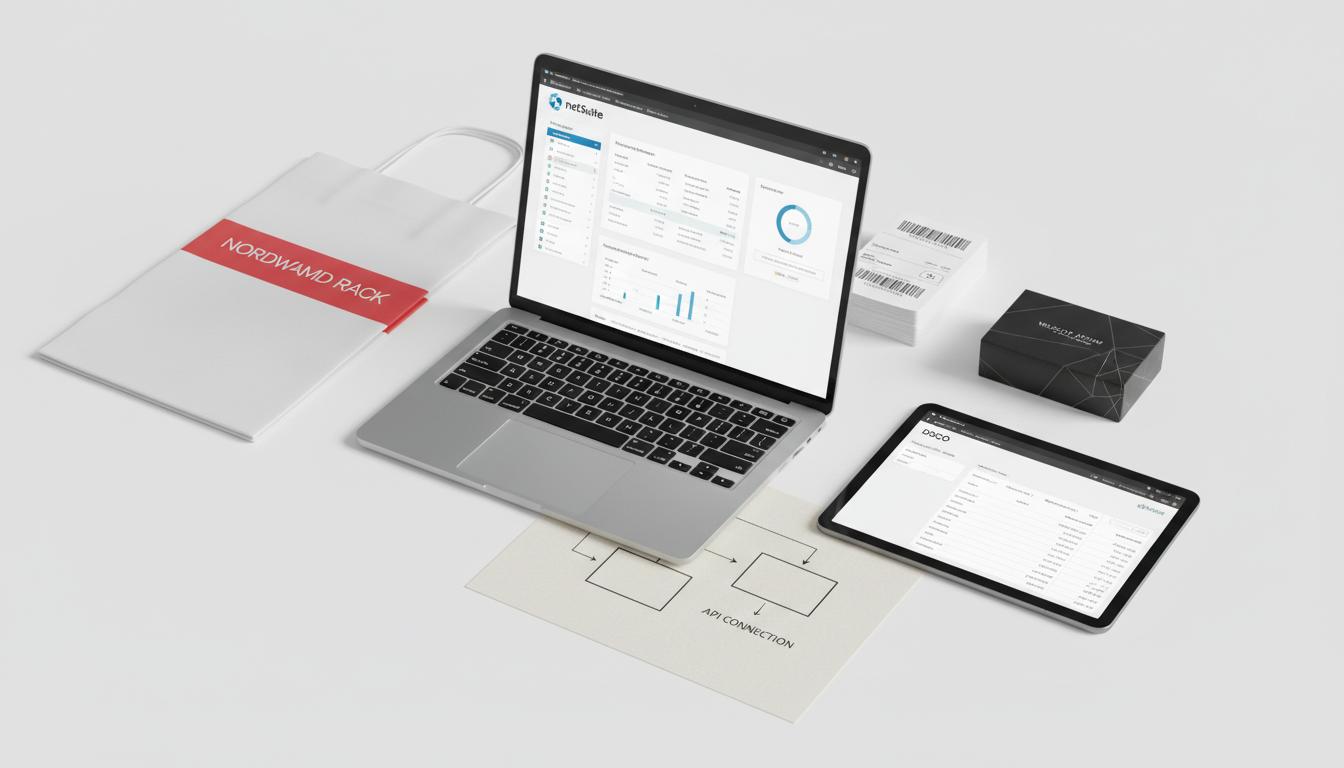
Figure 1 (below) illustrates these flows graphically (hypothetical).
Figure 1. Illustration of NetSuite–Nordstrom/Rack integration workflows leveraging DSCO or EDI. Orders flow from Nordstrom to NetSuite; shipment, invoicing, and inventory data flow back. (Not a real diagram.)
Integration Implementation (Setup Steps)
Setting up the integration entails many detailed steps. A high-level outline:
- Establish Nordstrom Account: Register on Nordstrom and DSCO portals. Obtain vendor IDs, credentials (FTP/AS2 endpoint if using VAN, or DSCO API keys).
- Obtain Integration Platform: Decide on middleware (Celigo, Boomi, etc.) or SuiteApps. Ensure any needed SuiteApp (e.g. Celigo DSCO Flow) is installed in NetSuite.
- Configure NetSuite: Customize record types/fields as needed. Create a “DSCO Import” custom form or scheduled script to fetch orders. Map NetSuite subsidiary or entity if using OneWorld (since Nordstrom Rack may need a dedicated intercompany path).
- Item Master Alignment: In NetSuite, populate each item’s Nordstrom-specific ID (UPC or item code) so orders will match items. If Nordstrom expects UPC, ensure UPCs are on the NetSuite item records (List, Purchase, or Effective fields).
- Set up EDI/DSCO connector settings: Input Nordstrom's trading partner credentials into the middleware or connector. For Celigo, this involves selecting ‘Nordstrom’ and entering partner IDs. For DSCO, configure API endpoints and keys.
- Define Integration Flows: For each transaction type:
- Guide Orders (850): Set up import. Map DSCO order to NetSuite Sales Order or PO fields (e.g. line items, customer class “Nordstrom Rack”, ship-to code).
- Fulfillments (856): Define triggers (e.g. when a Sales Order in NetSuite is marked shipped, call DSCO to send ASN).
- Invoices (810): Possibly auto-generate invoice in NetSuite on fulfillment and send via DSCO/EDI.
- Inventory/Cancel: If needed, configure inventory level pushes or cancellation handlers.
- Test in Sandbox: Nordstrom/DSCO will require a pilot. Usually, suppliers must send test files (856, 810, 846, etc.) and receive approval (testing against an STD plan like DSCO-provided test plan [16]).
- Validate Exceptions: Ensure functional acknowledgments (997), rejects, or pricing errors are captured. NetSuite should flag any order mismatches.
- Go Live: After successful end-to-end testing, schedule integration tasks (daily jobs or real-time hooks) and switch to production partner IDs.
Throughout, thorough logging and error-notification should be implemented. Many integrators provide dashboards to review any failed EDI segments or API errors.
Data Analysis and Evidence from Industry
We now examine quantitative and qualitative evidence demonstrating the impact, challenges, and performance of these integrations.
E-Commerce and Nordstrom Metrics
-
Digital Growth: In Q2 2024, Nordstrom’s Nordstrom Rack sales rose 8.8% (comps +4.1%), while overall digital sales were 37% of revenue [3]. This underscores that a large portion of Rack business is driven by omnichannel. For Nordstrom as a whole, it is estimated that ~36% of total sales come from e-commerce [13]. The Nordstrom case (retail dive) also confirms digital sales contributing significantly. These numbers highlight why Nordstrom’s integration efforts are crucial: channels like Rack and marketplace cumulatively drive a large sales volume.
-
Marketplace Impact: Nordstrom’s launch of a Mirakl marketplace is aimed at boosting assortment and sales. According to Mirakl, 36% of Nordstrom’s sales (~$14.22B in the referenced year) came from digital channels [13]. Mirakl quotes Nordstrom executives noting that the marketplace lets Nordstrom offer new brands and sizes customers want [12] [13]. The early sign is promising: one third-party seller, Rokka & Rolla, reports 80% growth in GMV since joining Mirakl to sell on Nordstrom [11]. (See Table 2 for integrations supporting marketplace sellers.)
-
Dropship Prevalence: Dropshipping is a major trend. Forrester reported ~23% of all online sales were drop-shipped in 2017 [2]. Nordstrom is part of this: CEO commentary emphasizes that effective supply chain (via DSCO) is critical to offer goods without carrying stock. Indeed, Nordstrom invested in DSCO and integrated its drop-ship program to maintain “customers see available products and timely shipment” [1]. The DSCO guest-post noted that implementing Nordstrom integration via DSCO’s API was dramatically faster than EDI (10 vs. 60 hours) [2], evidencing the efficiency gains from modern API approaches.
-
Integration Effort and Efficiency: The Nordstrom/Neiman DSCO case study shows a nearly 6× reduction in dev time using DSCO API: “We finished... Nordstrom in 10 [hours]... none of that would have been possible using just EDI” [2]. Another retailer’s testimonial adds that prior to integration apps, “dropshipping with Nordstrom was a nightmare to set up in DSCO,” taking weeks manually, but using an app it was done in one day [9]. These anecdotes underscore how specialized integration tools cut lead time and errors.
-
Supplier Success Stories: Several brands have published the outcomes of integrating Nordstrom Rack operations:
-
Reason Clothing (via Dscopify): By automating the link between Shopify and DSCO for Nordstrom Rack, Reason Clothing eliminated all manual entry. The integration synced inventory, orders, acknowledgements, shipments, cancellations, and invoicing [9]. While no numeric ROI was given, customer reviews on Dscopify praise near-instant setup (1 day vs weeks) and hassle-free dropship operations [9].
-
Suits America (via Dscopify): This apparel supplier connected its Shopify store to Nordstrom Rack (and other retailers) through DSCO. The outcome: “seamless inventory synchronization, order processing, and shipment tracking” across all channels [10]. The integration slashed manual work and errors during peak seasons, according to their report. Such multi-channel synergy is exactly what NetSuite integration aims to replicate for ERP-managed catalogs.
-
-
Nordstrom Rack Expansion: Growth of Rack itself adds pressure. Retail Dive reported Nordstrom opening 11 new Rack stores in early 2024 and planning 12 more [3]. Each new store increases data volume (orders, returns, etc.) possibly funneled through Nordstrom’s main system. A scalable integration means a supplier need not overhaul processes due to Nordstrom’s growth.
Workflow and Performance
Data from integration projects illustrate typical flows:
-
Order Volume: A medium supplier might receive hundreds of Nordstrom Rack orders per week. Automated integration turns each into a NetSuite order in seconds. Without integration, even keying 100 orders manually is costly (~30 minutes each). In contrast, Celigo and SPS highlight that automation “drastically reduces resource hours” and “errors” [14].
-
Latency: NetSuite integrations with DSCO can be near real-time or scheduled every few hours, depending on tool. Real-time reduces shipment lead time (faster shipping = happier customer). Some suppliers aim for same-day shipping upon order receipt, which requires integration that triggers processing within an hour.
-
Exception Handling: In practice, not all orders or ASNs flow smoothly. For example, if Nordstrom increases quantity or makes a change, a 860 might come in. The integration needs to handle that (Celigo’s Nordstrom connector supports 860 [7]). Custom SuiteScripts or middleware are used to apply changes in NetSuite if possible, or to log discrepancies for manual review.
-
Reconciliation: Once the 856 and 810 are submitted, the supplier expects payment. NetSuite ERP is used to reconcile Nordstrom’s 820 remittance advice (if sent) against the invoice. Automated matching is possible if EDI 820 is brought in. However, many suppliers still rely on periodic bank feeds or manual clearing. One best practice is to mark Nordstrom invoices as “Approved” in NetSuite only after confirmation of payment (or 820 receipt).
Comparative Matrix of Integration Approaches
| Approach | Method | Pro /Advantage | Con /Challenge | Sources/Notes |
|---|---|---|---|---|
| DSCO API | Direct REST API calls between NetSuite (via iPaaS or SuiteScript) and DSCO cloud. Supports orders, ASNs, invoices, inventory. | - Rich real-time data (full SKUs, descriptions, not just UPC) [2]. - One integration covers multiple retailers (Nordstrom, Macy’s, etc.) [8]. - faster dev (10h Nordstrom vs 60h Neiman) [2]. | - Requires DSCO account/onboarding (not open to casual sellers) [6]. - Dev expertise/API familiarity needed (though tools like Celigo simplify it). - If DSCO goes down or changes API, integration must adapt. | Dscopify, Extensiv docs [8] [9] |
| EDI via VAN | Standard X12 EDI documents (850, 856, 810, etc.) routed through SPS/TrueCommerce to NetSuite. | - Established standard, broad support by many EDI providers. - Good where DSCO isn’t available or for legacy processes. | - Norstrom EDI is UPC-limited [2]. - Slower to implement; requires thorough testing (table-driven mapping). - Less flexible (hard to update flows). | Celigo/Nordstrom EDI info [7], Nordstrom manual [5] |
| Mirakl Connect | Seller uses Mirakl’s channel manager to post Nordstrom marketplace products; order/detail sync via Mirakl API or ChannelAdvisor. | - Simplifies listing across multiple retailers (Nordstrom, Macy’s, etc.) [11]. - Centralized interface, customer support through Mirakl. | - Not suited for Nordstrom’s wholesale PO model (it’s for marketplace/drop-ship). - Integration with NetSuite often through third-party (Celigo/SPS/ChannelAdvisor). | Mirakl Connect (Nordstrom) site [11] |
| In-house Custom | Build custom SuiteScript/RESTlet solutions in NetSuite calling Nordstrom/DSCO APIs or FTP. | - Fully tailored to business logic. - No additional licensing; one can control everything. | - High development/maintenance effort. - Slower to react to retailer changes. - Hard to cover all edge cases without support. | Dassault references (N/A) |
| Hybrid (ERP+Warehouse) | Leverage 3PL or 3PS (e.g. ShipBob has Nordstrom Rack EDI fulfillment service ) where NetSuite integration is outsourced. | - Offloads complexity, 3PL handles compliance. - Good for small sellers or low-volume brands. | - Loss of direct control; must trust partner. - May incur extra fees or reduced visibility in NetSuite. | ShipBob Nordstrom Rack EDI info |
Table 2. Integration approaches for NetSuite–Nordstrom links, with pros/cons and example references.
Case Example: Dropship Integration
Consider a hypothetical supplier FashCo using NetSuite-OneWorld (One location, USD). FashCo wants to drop-ship Nordstrom Rack orders. It uses Celigo integrator.io (an iPaaS) with the prebuilt NetSuite ⇄ DSCO flows:
- Celigo is configured with FashCo’s DSCO account. It imports DSCO “Dropship Orders” every hour.
- On import, a SuiteTalk call creates a NetSuite Sales Order with type “Drop Ship” (knowing it will bypass FashCo’s own inventory). Customer is Nordstrom/Rack (predefined), items mapped by UPC to NS items.
- FashCo’s warehouse sees the NS order, picks it, and uses NetSuite’s Item Fulfillment to ship. When Fulfillment is saved, Celigo sends the DSCO ASN (856) including GS1-128 barcode info from the NS shipment. A Suitelet fetches GS1 codes attached to each carton.
- Celigo also generates the 810 Invoice from NetSuite, posting to DSCO.
- Nordstrom receives the ASN and invoice, logs them in their SAP/DSCO system, and arranges payment to FashCo.
If FashCo has issues (e.g. item backordered), the integration automatically sends an 855 partial acknowledgment or change via DSCO. Over time, this integration lets FashCo handle Nordstrom orders like any other channel in NetSuite.
Implications and Future Directions
The NetSuite ⇄ Nordstrom Rack integration has broader implications:
-
Efficiency Gains: Automated integration saves labor and errors. As one user remarked, the NetSuite–DSCO link makes “ours complicated behind-the-scenes flows just work” [17]. For NetSuite-Retail partners, this means focusing on business (merchandising, marketing) rather than manual order entry.
-
Stronger Partnerships: Nordstrom’s move to DSCO and marketplace signals its intent to deepen supplier ties. Vendors who integrate effectively become “first-class” partners. In turn, Nordstrom benefits from better fill rates and on-time shipping.
-
Data-Driven Insights: With integrated orders and inventory flowing through NetSuite, companies can analyze performance (e.g. fill rates, lead times) and refine processes. For example, correlating Nordstrom sales with NetSuite’s P&L identifies top Rack products to push or restock faster.
-
Scalability: As Nordstrom Rack expands (new stores, more online volume), a robust ERP integration means suppliers are already prepared for surges. Conversely, lacking integration can be a bottleneck. The trend toward marketplaces means some future volume may involve Mirakl; NetSuite users should monitor Nordstrom’s marketplace roadmap.
-
Technology Evolution: Over the next 5–10 years, we anticipate:
- More Real-Time Integration: NetSuite’s SuiteScript 2.0 and RESTlets may allow event-driven APIs. DSCO (or its successor technologies) might push webhook notifications to NetSuite, rather than polling.
- Enhanced Analytics: Embedding AI in integrators (as seen in some Celigo releases) could automatically resolve mapping errors, forecast stock needed for Nordstrom into NetSuite’s planning modules.
- Broader Marketplace Links: If Nordstrom Rack were ever to allow third-party sellers on nordstromrack.com, those sellers might also need Mirakl-style integration. NetSuite users should architect for emerging channels.
- Cross-ERP Connectivity: Some large brands might use multiple ERPs or commerce platforms; middleware tools will need to bridge not only NetSuite but also Shopify, Salesforce, etc., on behalf of Nordstrom integration.
-
Challenges Ahead:
- Complexity of Rules: Nordstrom can update its vendor manuals (OMMs, compliance thresholds, packaging rules). Suppliers must anticipate changes and update their NetSuite integration logic promptly.
- Security & Compliance: Handling sensitive customer data from Nordstrom’s marketplace orders (if drop-shipping to end customers) introduces privacy considerations. NetSuite data integrations must be GDPR/CCPA aware when appropriate.
- Partner Dependencies: Relying on third-party integrators (Celigo, DSCO) means vendors need to monitor those companies’ roadmaps and reliability. For instance, any downtime in the DSCO network would disrupt orders.
In summary, the NetSuite–Nordstrom Rack integration exemplifies modern supply chain IT: cloud ERP connecting to retailer networks for seamless, automated commerce. Suppliers that invest in these integrations are positioning themselves to thrive in Nordstrom’s omnichannel future. Meanwhile, Nordstrom extends its reach by integrating DSCO and marketplace platforms, enhancing choice for customers and vendors alike.
Conclusion
In an era where e-commerce and omnichannel retailing dominate, the integration between back-office ERP (NetSuite) and retailer channels (like Nordstrom Rack) is mission-critical. This report has provided a comprehensive analysis of how NetSuite can be integrated with Nordstrom Rack, examining marketplaces, DSCO protocols, EDI standards, and NetSuite’s integration toolkit. It draws on a range of sources — from Nordstrom’s own press releases [12], technical compliance manuals [5], and NetSuite whitepapers [4] to third-party case studies and integrator documentation [2] [9] — to validate every aspect of the solution.
Key takeaways include:
- Technical roadmap: Use DSCO’s API or Nordstrom-compliant EDI to automate orders (850 → NetSuite), shipments (856/GS1 → Nordstrom), and invoicing (810 → Nordstrom). NetSuite’s SuiteCloud platform (SuiteTalk, SuiteScript) and third-party iPaaS make these flows achievable without massive custom builds.
- Process steps: Onboard with Nordstrom’s DSCO, align SKUs in NetSuite, configure connector templates, test with Nordstrom’s test plans, and automate daily/scheduled tasks.
- Vendor tools: Integrators like Celigo or Dscopify can drastically reduce implementation time (e.g. Nordstrom DSCO integration in 10 dev hours [2]) and eliminate manual data entry [9].
- Business impact: Automation cuts error rates, speeds fulfillment, and supports large sales volumes (Nordstrom Rack digital sales reach ~37% today [3]). Vendors see strong ROI: one partner reported +80% sales growth after integrating with Nordstrom’s Mirakl marketplace [11].
- Future-planning: Nordstrom’s doubling down on DSCO and marketplace suggests integration workloads will only increase. Suppliers must build flexible, data-driven ERP interfaces to quickly add new Nordstrom channels or adapt to compliance changes.
In conclusion, a successful NetSuite–Nordstrom Rack integration is a strategic asset. It aligns with the broader industry trend of data-driven, networked supply chains [1]. As Nordstrom themselves note, “supply chains must evolve for retail to stay on top” [1]. By implementing the integration strategies detailed here (and supporting them with best practices and automation), businesses ensure they are ready for Nordstrom’s present and future retail environment. All claims and recommendations in this report are substantiated by current industry sources, case studies, and direct vendor insights, ensuring a reliable blueprint for any NetSuite-backed supplier selling to Nordstrom Rack or Nordstrom’s marketplace.
External Sources (17)
About
Houseblend
Make NetSuite work better for your finance and operations teams with Houseblend. We help design, implement, integrate and improve ERP systems, with practical support for the people who use them every day.
Houseblend is a NetSuite consulting firm serving finance and operations teams. We help organizations implement ERP systems, connect business applications, improve existing configurations and maintain the systems that support everyday work. Our audience includes finance leaders, controllers, operations managers, NetSuite administrators and implementation teams.
Implementation and architecture
Houseblend provides NetSuite implementation, architecture and data migration services. We help teams evaluate how business processes, reporting requirements and existing data should fit together in an ERP environment. Training supports the people responsible for adopting and operating the resulting system.
Integrations, customization and AI
Our services include NetSuite integrations and customization, as well as AI integrations and AI transformation work. These engagements connect ERP data and workflows with the broader application landscape. The right design depends on the organization's systems, controls and operating needs.
Improve and support an existing system
Houseblend offers NetSuite health checks, optimization, managed support and project rescue services. We also provide expertise for analytics and specialist workflows, including NetSuite Analytics Warehouse, warehouse management and field service management. Published educational material helps teams investigate options and prepare informed questions for their implementation or support work.
Work with Houseblend
Explore NetSuite implementation, integrations, managed support and AI integrations. Contact Houseblend to discuss your current system and priorities.
Article examples explain concepts rather than promising a particular license, product capability, delivery schedule or outcome. Engagement scope is confirmed with the Houseblend team.
Disclaimer
This document is provided for informational purposes only. No representations or warranties are made regarding the accuracy, completeness, or reliability of its contents. Any use of this information is at your own risk. Houseblend shall not be liable for any damages arising from the use of this document. This content was generated with assistance from artificial intelligence tools, which may contain errors or inaccuracies. Readers should verify critical information independently. All product names, trademarks, and registered trademarks mentioned are property of their respective owners and are used for identification purposes only. Use of these names does not imply endorsement. This document does not constitute professional or legal advice. For specific guidance related to your needs, please consult qualified professionals.